About the Project
Soleil Solar is a proposed 585 megawatt (MW) solar project in Clay County, Texas, located about 25 miles east of Wichita Falls. The project is expected to begin operations in late 2028 and will deliver dependable, locally generated power to support the ERCOT grid, contributing to energy security and reliability across Texas, including Clay County.
Soleil Solar represents a long-term investment in affordable energy and in Clay County. The project is designed to strengthen local energy independence while delivering lasting economic benefits for schools, public services, and the broader community.
Key Project Facts
585 MW Solar Capacity
to help meet the growing electricity demand with low-cost power
Clay County, TX
25 miles east of Wichita Falls, 80 miles north of Dallas
In Service by 2028
strengthening energy security even during extreme weather
$670 Million Capital Investment
significant private investment in long-term Texas energy infrastructure
Strengthening Clay County and Texas
Soleil Solar is designed to deliver long-term economic benefits to Clay County and the surrounding region. The project will support local jobs, generate significant tax revenue for schools and public services, and help strengthen the electric grid to keep Texas homes and businesses running.
The project is also being developed with care for the land, preserving long-term agricultural use and wildlife habitat while maintaining the rural character of the area.
450 Construction Jobs
and 3-4 permanent positions supporting long-term operations
$100 Million in Local Tax Revenue
benefiting Henrietta and Bellevue ISDs, Clay County Fire and Rescue, county roads and bridges, and other essential services
Cypress Creek Community Investment
including contributions to local schools, healthcare, and fire departments
Texas Workforce
prioritizing local hiring where feasible
Preserving Long-Term Agricultural Viability
allowing the land to return to cattle grazing after the project is retired
Maintaining Wildlife Passage
through fencing designed to support safe movement and habitat connectivity
Our Community Commitment
At Cypress Creek Energy, being a good neighbor means more than building energy projects. We believe our work should leave communities stronger. As a long-term owner and operator of energy infrastructure, we approach every project with a commitment to responsible development, partnership, and lasting local benefits.
Responsible Development
We develop and operate projects with a focus on safety, long-term stewardship, and respect for the communities where we work. Because we own and operate our projects for decades, we plan, build, and manage them with the expectation that we will be part of the community for years to come.
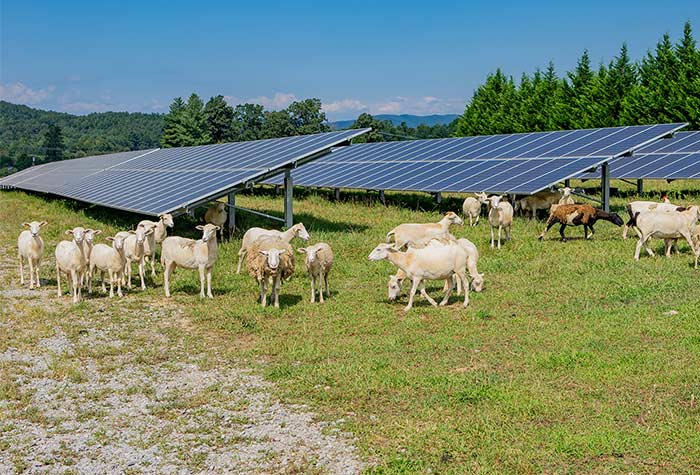
Our projects support local economies, strengthen the electric grid, and are designed to protect the land for future use, including a return to agricultural uses such as cattle grazing. Vegetative buffers and setbacks are incorporated to minimize visual impact and help preserve the rural character of the area, while wildlife corridors help maintain habitat connectivity across the site.
Corporate Giving
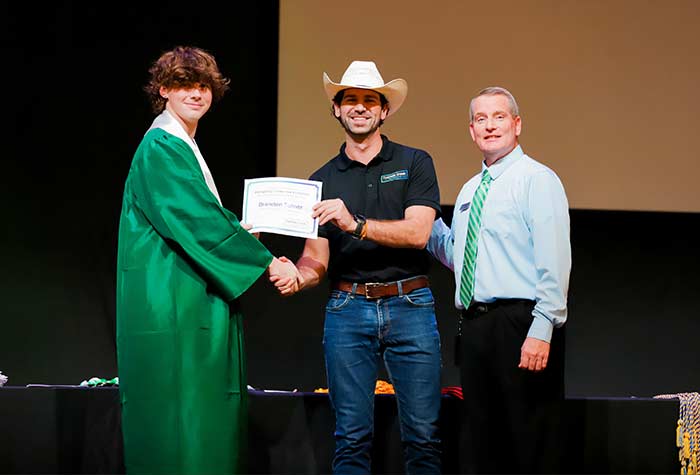
We invest directly in the communities where we build, supporting schools and local partners through our Community Partnership Grants program. Recent examples include:
- Support for the Clay County Memorial Hospital Foundation to strengthen local healthcare resources
- Donations to the Bellevue and Henrietta Volunteer Fire Departments
- Scholarships through the Energizing Tomorrow’s Leaders program, expanding access to higher education and technical training
Project Updates and Stories
The project has secured land agreements, completed environmental and local permitting, finalized its grid interconnection, and advanced key equipment and construction plans.
Stay informed with the latest updates on Soleil Solar, including milestones, construction progress, and community announcements.
Information and Resources
What is solar energy?
Solar energy, or solar power, is energy from the sun that is converted into thermal or electrical energy for domestic, commercial, or industrial purposes. There are several ways to harness solar energy. Cypress Creek uses photovoltaic (PV) panels which generate electricity from sunlight by using semiconductor materials. Solar energy that is generated is typically measured in megawatts (MW).
What is a utility-scale solar facility, sometimes known as a “solar farm” or “transmission-scale solar”?
Utility-scale, or transmission-scale, solar facilities are larger projects that sell electricity to wholesale utility buyers, rather than end-use customers. Utility-scale solar facilities provide cheap, emission-free electricity during peak demand periods, and many of these facilities include energy storage.
These types of projects typically include ground-mounted photovoltaic PV solar panels, inverters to transform the direct current (DC) electricity produced from the panels to alternating current (AC) electricity that can be transported onto the electrical grid, and transformers that step up or step down the voltage rating needed by the transmission equipment. Projects can range in size from tens to thousands of acres.
How do solar photovoltaic (PV) panels work?
Photovoltaic (PV) panels generate electricity directly from sunlight using semiconductors. Electrons in these materials are freed by solar energy and can be induced to travel through an electrical circuit, powering electrical devices or sending electricity to the grid.
PV technology can be used to power anything from small electronics such as calculators and road signs to homes and large commercial businesses.
What experience does Cypress Creek Energy have developing, operating, and maintaining solar facilities?
Cypress Creek Energy has developed, financed, operated, and owned solar projects for over a decade. Our operations and maintenance business, Cypress Creek Solutions, division operates approximately 5GW across 24 states and maintains our own solar facilities as well as other customers who choose to partner with us. Our company has over 400 employees located across the United States.
Is solar energy safe?
Solar energy is one of the safest ways to generate electricity. Solar panels are emission–free, operate quietly, and have a negligible impact on soil and water, if any. Additionally, all large-scale electric generation sites, including utility-scale solar facilities, must follow strict local, state, and federal regulations.
How long does it take to develop and construct a solar facility? How long does a solar facility last?
Developing a solar facility takes about 4 to 6 years, but development timelines vary depending on the project’s size and location. The development process typically includes siting (selecting the solar facility’s location), permitting and environmental review, community engagement, construction, commercial operation, and on-going maintenance.
Most solar facilities are designed to operate for about 30-35 years. Some may even keep generating electricity longer than that, depending on various factors like maintenance and technological updates.
Do solar facilities benefit communities where they are located?
Solar energy projects stimulate economic growth, especially in rural areas. Projects contribute to state and local revenues, supporting essential public services and infrastructure improvements at no extra cost to the community. Building a solar facility creates many temporary jobs, and once the facility is operational, it needs people for ongoing maintenance and operations.
Solar projects have a positive economic impact on the communities where they are located. This includes payments to farmers who host solar panels on their land, providing them with a reliable income. This often helps maintain the agricultural nature of the community and supports its traditional lifestyles.
Is solar energy compatible with agriculture?
Yes, solar facilities have a low impact and can coexist safely with neighboring agricultural properties. Cypress Creek Energy installs panels on driven metal pilings, allowing the land to rest and rebuild during operation. At the end of the solar facility’s useful life, the pilings are removed, and the land can be returned to its original state.
What other benefits does solar energy provide?
Having a solar facility nearby can help reduce electricity costs for everyone in the area. By adding cheaper renewable energy to the grid, there’s less need for more expensive fossil fuel power.
Solar energy cuts down on greenhouse gas emissions and reduces air pollution, which is important for protecting wildlife, people, and ecosystems.
What happens at the end of the solar facility’s useful life?
At the end of a solar project’s economic life, the owner must decide whether to apply for a new permit to keep the project running or to shut it down completely and start the decommissioning process.
If it is determined that the site will not be repowered, the project is decommissioned in accordance with landowner preferences and federal, state, and local regulations. Typically, PV panels or modules are collected for recycling, Additionally, inverters are collected for refurbishing and other hardware is salvaged for re-use. The land can then be returned to agriculture or other uses, depending on the wants and needs of the landowner.
Where do Cypress Creek’s solar panels come from, and how are they recycled?
Our solar modules (interconnected solar panels) come from various places depending on the market and commitments made at the time of development. Cypress Creek is firmly committed to creating and maintaining an ethical supply chain and continues to work with our industry partners to live up to our shared values. Current U.S. incentives have increased the availability and feasibility of domestically produced modules.
Most solar panels in the U.S. are designed to last over 30 years. Because of this long lifespan, there aren’t many panels needing recycling right now. However, as more panels age and reach the end of their useful lives, recycling opportunities are expected to grow. Cypress Creek is currently recycling panels and other materials to the greatest extent feasible and practical.
Meet the Project Team
Aaron Helton
Associate Director, Government Affairs & Economic Development
Aaron joined Cypress Creek in 2025 to support their Government Affairs for Arkansas, Texas, and Oklahoma. Prior to joining Cypress Creek, he spent five years as a congressional district staffer before serving as Deputy Chief of Staff in Washington, D.C. Aaron graduated from Texas State University and lives in Texas with his wife and 2-year-old daughter. Outside of work, he enjoys running marathons and hunting.
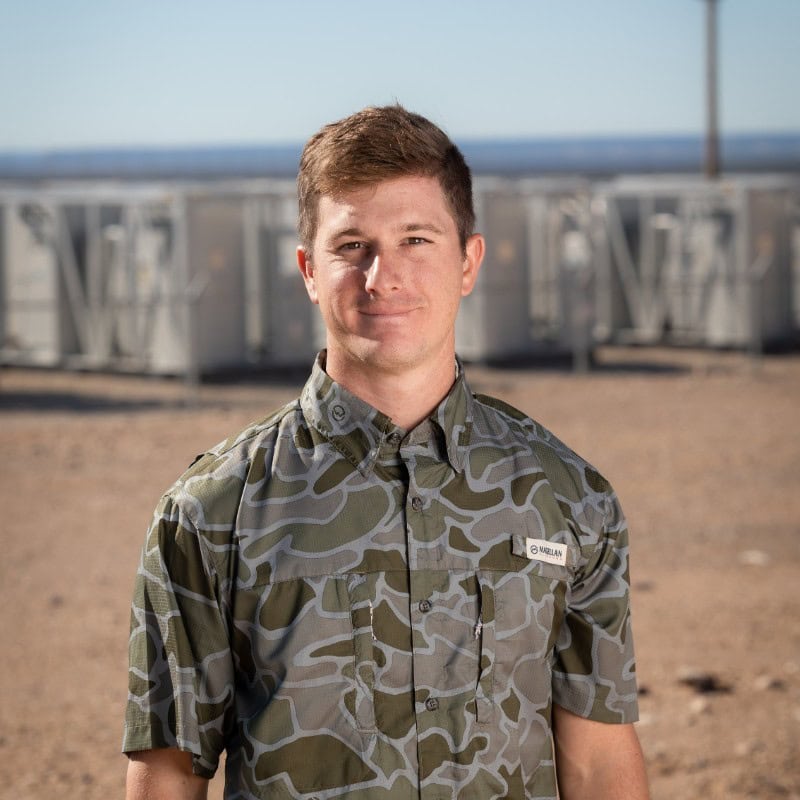
Samuel Davis
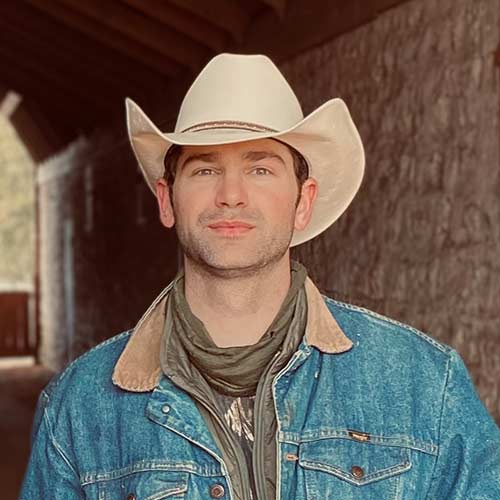
Associate Director, Community & Stakeholder Engagement
Samuel Davis is a 7th-generation Texan from a West Texas ranching family whose land proudly hosts a renewable energy project. A graduate of The University of Texas at Austin with a degree in Communications and a minor in Business, he ventured to California to work with startups before returning to Texas for nonprofit work. At the Land & Liberty Coalition, he empowered landowners to take charge of their energy future by embracing renewables. Passionate about storytelling, Samuel is currently producing RENEWING TEXAS, a documentary exploring the intersection of energy and culture in the Lone Star State.